
TMJ Disorder: Symptoms, Causes and Treatment Options
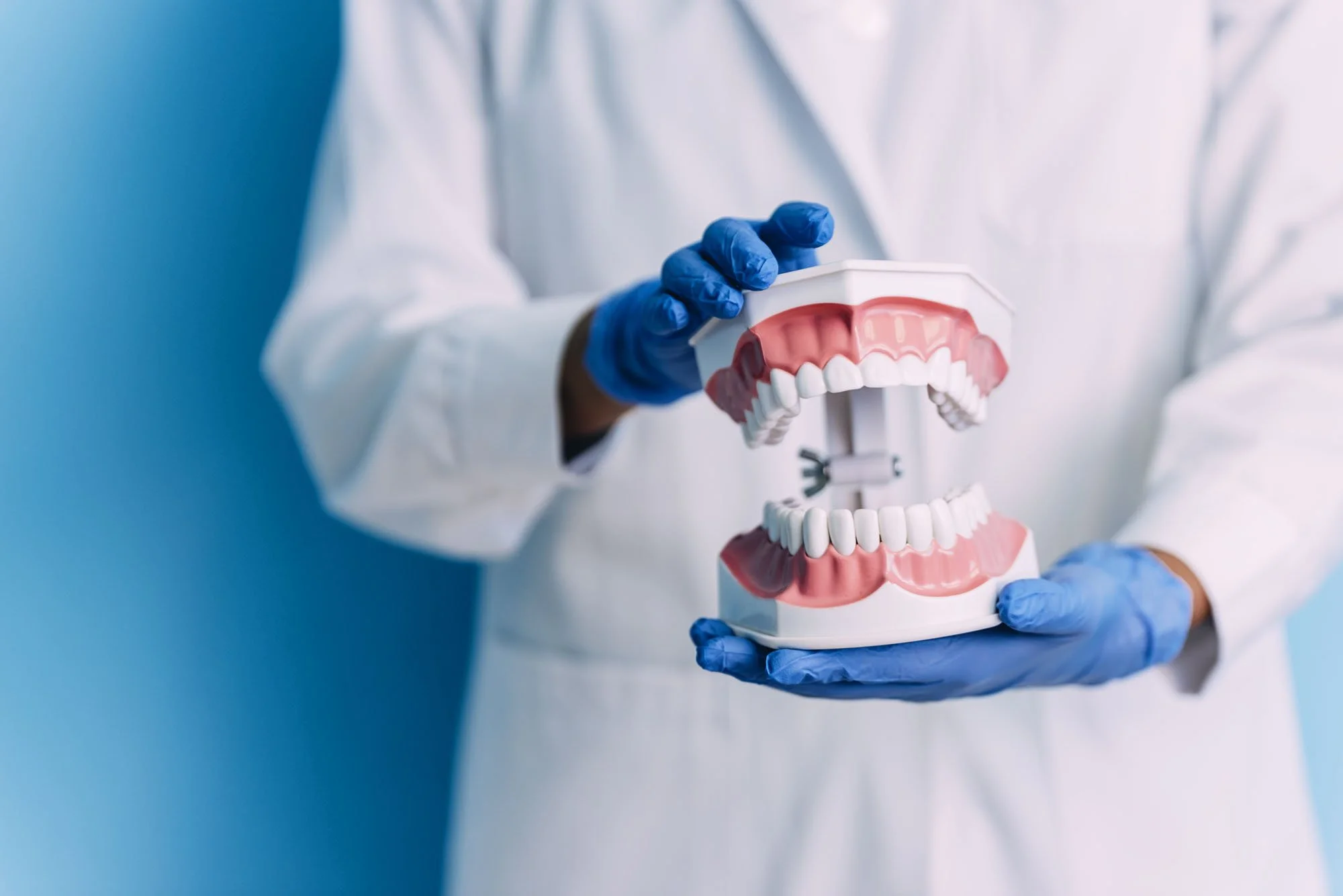
Do you hear a clicking sound when you open your mouth? Does your jaw feel stiff, sore or occasionally lock? These symptoms may be related to a temporomandibular joint (TMJ) disorder.
TMJ disorders are a common cause of jaw pain and can affect people of all ages. While many cases improve with simple, conservative treatment, persistent symptoms should be assessed by an oral surgeon to identify the underlying cause and recommend the most appropriate management.
What Is the TMJ?
The temporomandibular joints connect your lower jaw (mandible) to your skull. You have one joint on each side of your face, just in front of your ears.
These joints are among the most complex in the body, allowing you to:
Open and close your mouth
Chew food
Speak
Yawn
Move your jaw from side to side
The joint contains cartilage and a small cushioning disc that allows smooth movement. Problems affecting any of these structures can lead to TMJ disorder.
Common Symptoms of TMJ Disorder
TMJ disorders can present in many different ways. Some people experience only mild discomfort, while others develop significant pain and difficulty using their jaw.
Common symptoms include:
Jaw pain or tenderness
Clicking, popping or grinding sounds
Difficulty opening the mouth fully
Jaw locking in an open or closed position
Pain when chewing
Facial pain
Headaches
Ear pain or a feeling of fullness in the ear
Neck pain
Jaw fatigue after eating or talking
Not everyone with jaw clicking requires treatment. If there is no pain or limitation of movement, clicking alone is often harmless.
What Causes TMJ Disorder?
There is rarely a single cause. Instead, TMJ disorders usually develop due to a combination of factors.
Common causes include:
Teeth Grinding and Clenching
Grinding or clenching your teeth, particularly during sleep, places excessive pressure on the jaw joints and surrounding muscles.
Many people are unaware they grind their teeth until symptoms develop.
Jaw Injury
A fall, sporting injury or motor vehicle accident can damage the joint or surrounding tissues.
Symptoms may appear immediately or develop gradually over time.
Arthritis
Like other joints in the body, the TMJ can be affected by osteoarthritis or inflammatory arthritis.
This may cause pain, stiffness and reduced jaw movement.
Stress
Stress often contributes to muscle tension and unconscious jaw clenching, which can worsen TMJ symptoms.
Bite Changes
Although less common than once believed, certain bite problems may contribute to jaw discomfort in some patients.
Your oral surgeon will assess whether this is a contributing factor.
How Is TMJ Disorder Diagnosed?
Diagnosis begins with a detailed consultation and clinical examination.
Your oral surgeon will ask about:
Your symptoms
When the pain occurs
Previous injuries
Teeth grinding habits
Medical history
During the examination, they will assess:
Jaw movement
Joint sounds
Tenderness of the jaw muscles
Bite relationship
Mouth opening
If required, additional imaging such as panoramic X-rays, CBCT scans or MRI may be recommended to evaluate the joint in greater detail.
Treatment Options
Most TMJ disorders can be managed without surgery.
Treatment depends on the underlying cause and severity of your symptoms.
Self-Care
Many patients improve with simple lifestyle changes.
These may include:
Eating softer foods temporarily
Avoiding chewing gum
Limiting very wide mouth opening
Applying warm compresses
Performing gentle jaw exercises
Managing stress
Medications
Your healthcare provider may recommend medications to reduce pain and inflammation during flare-ups.
These should always be taken according to professional advice.
Occlusal Splints
A custom-made night splint may help patients who grind or clench their teeth during sleep.
Splints can reduce excessive pressure on the jaw joints and protect the teeth from further wear.
Physiotherapy
Physiotherapy may improve jaw mobility, strengthen muscles and reduce pain through targeted exercises and manual therapy.
Surgical Treatment
Surgery is usually considered only when conservative treatment has not been successful or when significant structural problems are present.
Depending on the diagnosis, surgical options may include:
Arthrocentesis (joint irrigation)
Arthroscopy
Open joint surgery in selected cases
Your oral surgeon will explain whether surgery is appropriate for your individual situation.
Can TMJ Disorder Go Away on Its Own?
Many mild cases improve over time with conservative management.
However, persistent pain, repeated jaw locking or worsening symptoms should not be ignored.
Early assessment can often prevent symptoms from becoming more severe and help identify the most effective treatment.
When Should You See an Oral Surgeon in Wagga Wagga?
You should arrange an assessment if you experience:
Jaw pain lasting more than a few weeks
Difficulty opening your mouth
Jaw locking
Pain when chewing
Persistent headaches associated with jaw movement
Clicking accompanied by pain
Facial pain affecting your daily activities
A comprehensive assessment can determine whether your symptoms are related to the TMJ or another condition requiring treatment.
Living with TMJ Disorder
Most people with TMJ disorder respond well to appropriate treatment and can return to normal daily activities.
The key is obtaining an accurate diagnosis rather than attempting to manage ongoing jaw pain without professional advice.
If left untreated, some TMJ conditions may gradually worsen and begin affecting eating, speaking and overall quality of life.
Book a Consultation at Wagga IV
If you're experiencing jaw pain, clicking, locking or difficulty chewing, the experienced team at Wagga IV can help.
Our oral surgeons provide comprehensive assessment and management of TMJ disorders using modern diagnostic techniques and evidence-based treatment options. We'll work with you to identify the cause of your symptoms and develop a personalised treatment plan designed to restore comfortable jaw function.
Contact Wagga IV today to arrange your consultation.