
Am I a Candidate for Dental Implants?
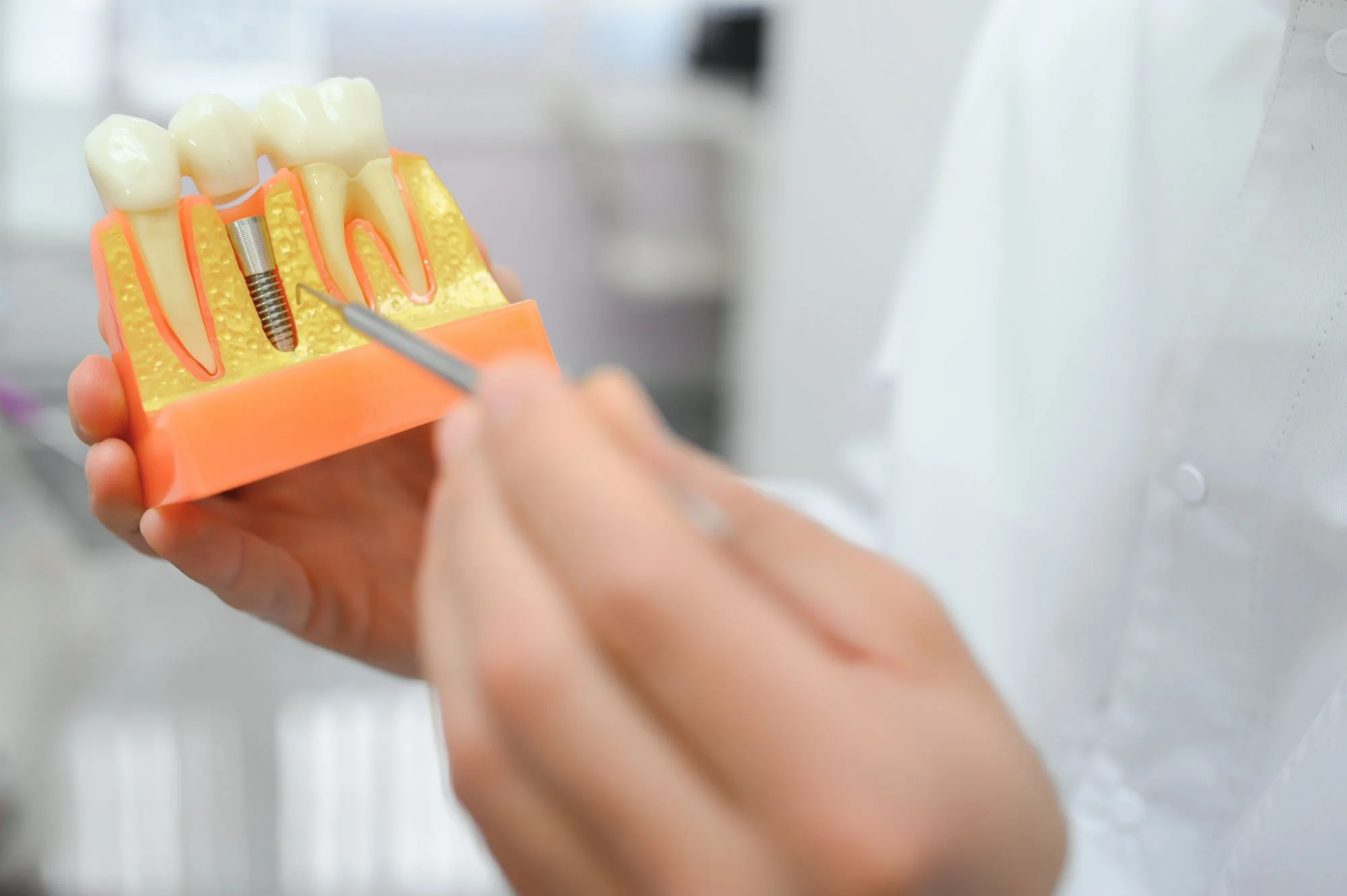
Missing teeth can affect much more than your smile. They can make eating and speaking difficult, change your facial appearance over time and impact your confidence. Dental implants are considered one of the most reliable and long-lasting solutions for replacing missing teeth, but are they the right option for everyone?
The good news is that many people are suitable candidates for dental implants. Even if you've been told in the past that you don't have enough bone, modern techniques may still make implant treatment possible.
What Are Dental Implants?
A dental implant is a small titanium post that is surgically placed into the jawbone to replace the root of a missing tooth. Once the implant has healed and fused with the bone, it provides a stable foundation for a custom-made dental crown, bridge or full-arch restoration.
Because implants replace both the tooth and its root, they look, feel and function much like natural teeth.
Who Is a Good Candidate for Dental Implants?
You may be a suitable candidate if you:
Are missing one or more teeth.
Have healthy gums.
Have enough jawbone to support an implant, or are suitable for bone grafting.
Are in generally good health.
Practise good oral hygiene.
Are committed to attending regular dental check-ups.
Every patient is different, so a comprehensive consultation and imaging are essential before treatment.
Can I Have Dental Implants If I've Been Missing Teeth for Years?
Yes.
Many patients successfully receive dental implants years after losing a tooth.
However, when a tooth has been missing for a long time, the jawbone naturally begins to shrink because it is no longer stimulated by the tooth root. Depending on the amount of bone loss, additional procedures such as bone grafting or a sinus lift may be recommended before implant placement.
Modern surgical techniques allow many patients with reduced bone volume to become suitable candidates.
What If I Don't Have Enough Bone?
Insufficient bone does not automatically rule out dental implants.
Your oral surgeon may recommend procedures such as:
Bone grafting
Socket preservation
Sinus lift surgery
These treatments rebuild or increase the amount of bone available, creating a stronger foundation for long-term implant success.
Can Smokers Have Dental Implants?
Smoking increases the risk of implant complications because it slows healing and affects blood supply to the gums and bone.
While many smokers can still receive dental implants, they are generally encouraged to stop smoking before and after surgery to improve healing and reduce the risk of implant failure.
Your oral surgeon will discuss your individual circumstances during your consultation.
Can Older Adults Have Dental Implants?
Absolutely.
Age alone is not a barrier to dental implant treatment.
Many patients in their 60s, 70s and even 80s successfully receive implants and enjoy improved comfort, chewing ability and quality of life.
General health and bone quality are far more important than age.
What Conditions May Affect Implant Treatment?
Some medical conditions may require additional planning before implant surgery.
These include:
Poorly controlled diabetes
Certain medications affecting bone healing
Previous radiation therapy to the jaw
Active gum disease
Heavy smoking
Having one of these conditions does not necessarily mean implants are not possible, but careful assessment is important.
What Are the Benefits of Dental Implants?
Dental implants offer many advantages over traditional tooth replacement options.
Benefits include:
Natural appearance
Stable chewing function
Improved speech
Preservation of jawbone
Prevention of neighbouring teeth shifting
Long-term durability
No need to modify healthy adjacent teeth
With proper care, dental implants can provide excellent long-term outcomes.
What Happens During the Assessment?
Your consultation typically includes:
Review of your medical and dental history
Clinical examination
Digital X-rays or 3D CBCT imaging
Assessment of bone volume
Discussion of your treatment goals
Personalised treatment plan
Your oral surgeon will explain whether dental implants are suitable for you and whether any preparatory procedures are recommended.
Are Dental Implants Worth It?
For many patients, dental implants are considered the closest replacement to natural teeth.
Although the initial investment is often higher than other options, implants are designed to provide a long-lasting solution that supports oral health, restores function and improves confidence.
Choosing the right treatment depends on your individual needs, and a specialist consultation is the best way to determine the most appropriate option.
When Should You See an Oral Surgeon in Wagga Wagga?
You should consider an assessment if you:
Have one or more missing teeth.
Have difficulty chewing.
Wear a loose or uncomfortable denture.
Have been told you have bone loss.
Want a permanent alternative to dentures or bridges.
Have been referred by your dentist for implant treatment.
An early consultation allows your oral surgeon to discuss all available treatment options before further bone loss occurs.
Book a Consultation at Wagga IV
If you're considering dental implants, the experienced team at Wagga IV can help determine whether you're a suitable candidate.
Using advanced diagnostic imaging and personalised treatment planning, our oral surgeons provide comprehensive implant assessments and tailored solutions designed to restore both function and confidence.
Contact Wagga IV today to arrange your consultation and take the first step towards replacing missing teeth.