
Broken Jaw Symptoms and Treatment
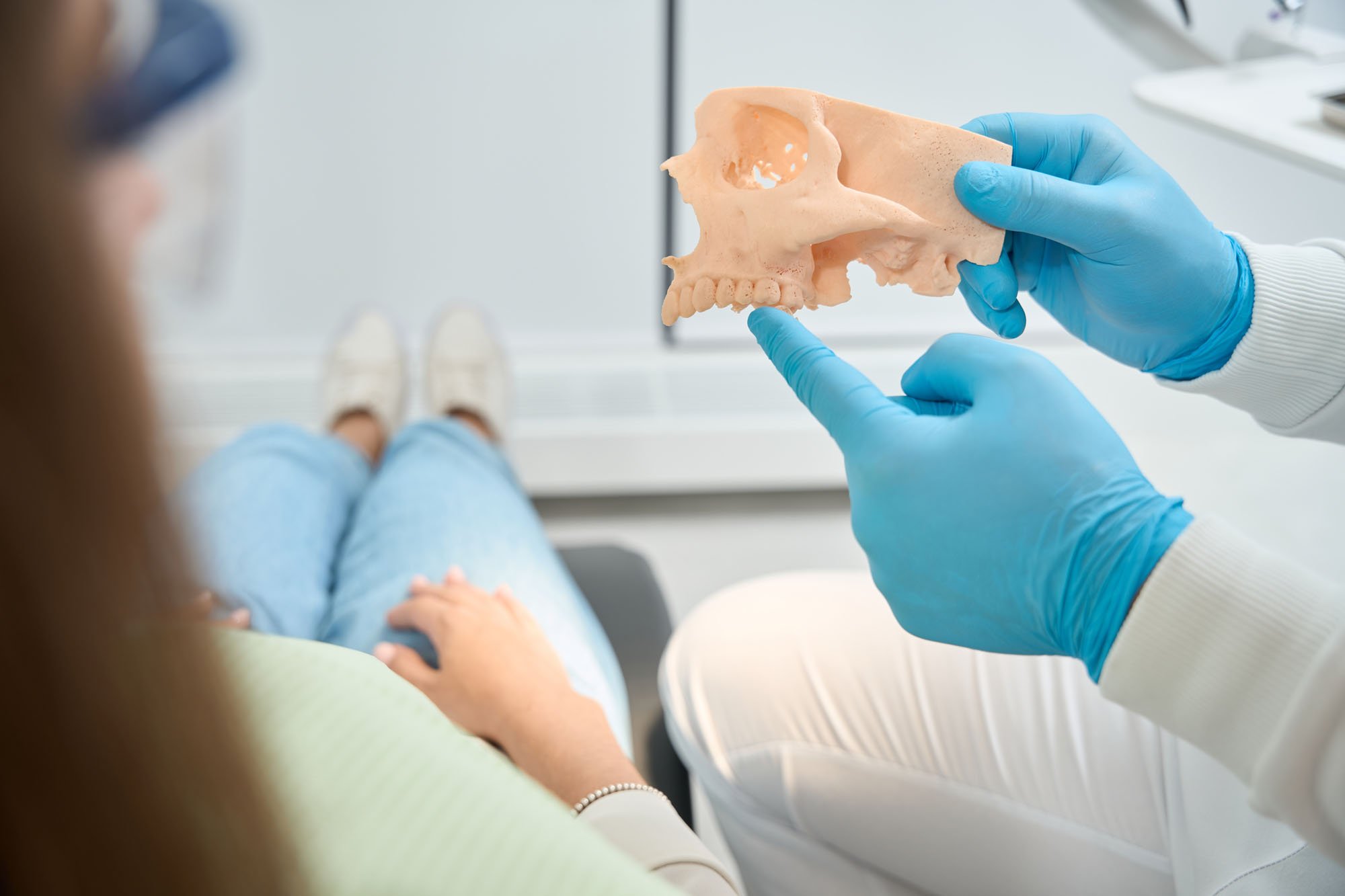
A broken jaw, also known as a jaw fracture, can happen following a sporting injury, fall, car accident, assault or other significant impact to the face. Because the jaw is essential for eating, speaking and breathing, a fracture requires prompt medical assessment.
Some jaw fractures are obvious, while others may initially appear to be less serious. Knowing the warning signs can help you understand when urgent specialist care is required.
At Wagga IV, our oral surgeons provide specialist assessment and treatment for patients in Wagga Wagga, the Riverina and across regional NSW.
What Is a Broken Jaw?
A broken jaw is a fracture involving one or more of the bones that make up the jaw and facial skeleton.
The lower jaw, or mandible, is particularly vulnerable to injury because it projects from the face. Fractures can occur in different areas, including the:
Chin
Jaw joint area
Angle of the jaw
Body of the jaw
Area surrounding the teeth
A fracture may occur in one location or in several areas at the same time.
What Causes a Broken Jaw?
Jaw fractures are usually caused by significant trauma.
Common causes include:
Motor vehicle accidents
Falls
Sporting injuries
Bicycle or motorcycle accidents
Physical assault
Workplace accidents
The severity of the injury depends on the force and direction of the impact.
Common Symptoms of a Broken Jaw
Symptoms can vary depending on the location and severity of the fracture.
Common signs include:
Jaw pain or tenderness
Swelling around the jaw or face
Bruising
Difficulty opening or closing the mouth
Pain when chewing
A change in the way your teeth fit together
Loose or damaged teeth
Bleeding inside the mouth
Numbness of the lower lip or chin
Difficulty speaking
Facial asymmetry
A change in your bite is particularly important. If your teeth suddenly no longer meet in the way they normally do after an injury, this may indicate a jaw fracture.
Is a Broken Jaw an Emergency?
A suspected jaw fracture should be assessed promptly, particularly following significant facial trauma.
Call emergency services or attend an emergency department immediately if you have:
Difficulty breathing
Severe bleeding
Rapidly increasing facial swelling
Difficulty swallowing
Loss of consciousness
Severe facial trauma
Uncontrolled bleeding
Breathing problems can occur when swelling or displaced tissues interfere with the airway and require immediate emergency care.
For less severe injuries, urgent assessment by an appropriate medical or oral surgery team is still important.
How Is a Broken Jaw Diagnosed?
Diagnosis begins with a physical examination and a review of how the injury occurred.
Your oral surgeon may assess:
Jaw movement
Your bite
Facial symmetry
Nerve sensation
Tooth injuries
Swelling and bruising
Areas of tenderness
Imaging is usually required to confirm the diagnosis and understand the exact location and severity of the fracture.
Depending on the injury, this may include X-rays or a CBCT (cone beam computed tomography) scan, which provides detailed three-dimensional images of the facial bones.
How Is a Broken Jaw Treated?
Treatment depends on several factors, including the location of the fracture, whether the bones have moved out of position and whether there are associated injuries.
Some minor fractures can be managed without surgery, particularly when the bones remain well aligned and the bite is stable.
More complex fractures may require surgery to restore the normal position and function of the jaw.
Surgical Treatment
When surgery is required, the fractured bones are repositioned and stabilised.
This may involve open reduction and internal fixation (ORIF), where small plates and screws are used to hold the bones in the correct position while they heal.
The goal is to restore:
Normal bite
Jaw function
Facial appearance
Bone alignment
Long-term stability
Your oral surgeon will explain the recommended approach based on your specific injury.
What Happens During Recovery?
Recovery varies depending on the severity of the fracture and the type of treatment required.
During the healing period, you may need to:
Follow a soft or modified diet
Avoid contact sports
Maintain careful oral hygiene
Attend follow-up appointments
Take prescribed medications as directed
Avoid activities that could place stress on the jaw
Your oral surgeon will provide detailed instructions based on your individual treatment.
Can a Broken Jaw Heal Without Surgery?
Sometimes.
If a fracture is stable and the bones remain correctly aligned, non-surgical management may be appropriate.
However, fractures involving significant displacement, an unstable bite or multiple fracture sites may require surgical treatment.
A specialist assessment is necessary to determine the safest and most effective approach.
What Happens If a Broken Jaw Is Left Untreated?
An untreated or poorly managed jaw fracture can lead to complications such as:
Permanent changes to the bite
Difficulty chewing
Chronic jaw pain
Limited jaw movement
Facial asymmetry
Infection
Problems with the jaw joint
Prompt assessment helps reduce the risk of long-term complications and provides the best opportunity to restore normal jaw function.
Facial Trauma Treatment in Wagga Wagga
If you've experienced significant facial trauma, the oral surgeons at Wagga IV can provide specialist assessment and treatment when appropriate.
We care for patients from Wagga Wagga, the wider Riverina region and regional NSW, working to restore both function and appearance following jaw and facial injuries.
For life-threatening injuries, breathing difficulties or severe bleeding, always seek emergency medical care first.
When Should You See an Oral Surgeon?
You should seek specialist assessment after facial trauma if you have:
A change in your bite
Significant jaw pain
Difficulty opening your mouth
Facial swelling or asymmetry
Numbness around the chin or lower lip
Loose or damaged teeth
Suspected jaw fracture
Early diagnosis allows the appropriate treatment to begin as soon as possible.
Book a Consultation at Wagga IV
If you have suffered a jaw injury and require specialist assessment, the experienced oral surgeons at Wagga IV can help determine the extent of the injury and the most appropriate treatment.
Our team provides specialist oral surgery care for patients throughout Wagga Wagga, the Riverina and regional NSW.
If you have a serious facial injury or difficulty breathing, swallowing or controlling bleeding, seek emergency medical attention immediately.