
Bone Grafting Before Dental Implants
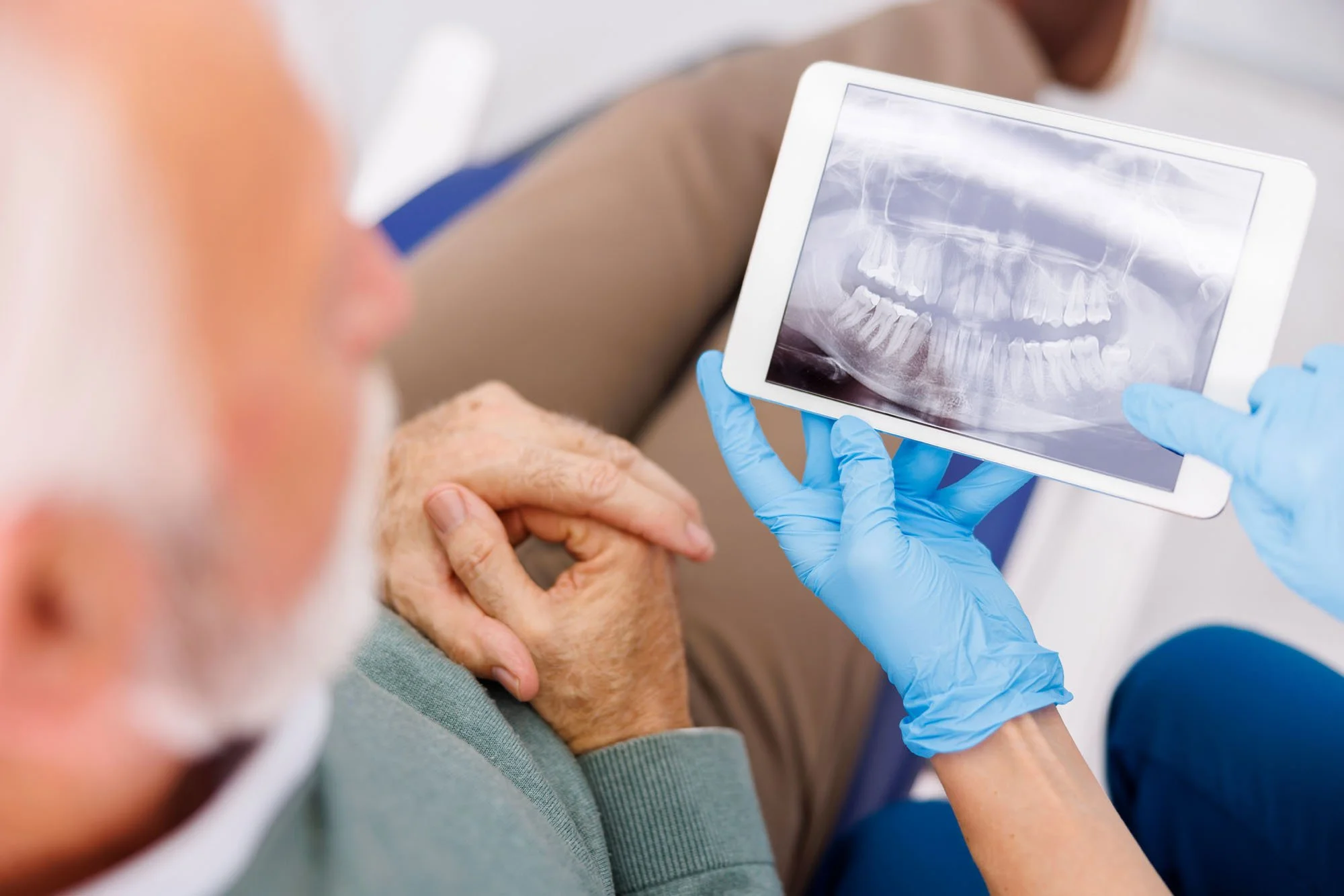
If you've been told you don't have enough bone for dental implants, it doesn't necessarily mean you're not a candidate for treatment. Thanks to modern oral surgery techniques, many patients can successfully receive dental implants after a bone graft.
At Wagga IV, we regularly assess patients from Wagga Wagga, the Riverina and across regional NSW who require bone grafting before implant treatment. Understanding why bone grafting is sometimes necessary can help you feel more confident about your treatment options.
What Is Bone Grafting?
Bone grafting is a surgical procedure that rebuilds or increases the volume of bone in the jaw.
When a tooth is lost, the surrounding jawbone gradually shrinks because it no longer receives stimulation from the tooth root. If too much bone has been lost, there may not be enough support for a dental implant.
Bone grafting restores the foundation needed for successful implant placement.
Why Does Bone Loss Occur?
Many people are surprised to learn that bone loss begins soon after a tooth is removed.
Common causes include:
Tooth extraction
Gum disease
Dental infections
Trauma
Wearing dentures for many years
Long-term missing teeth
The longer a tooth has been missing, the greater the chance that significant bone loss has occurred.
Why Is Bone Important for Dental Implants?
A dental implant functions like the root of a natural tooth and must be securely supported by healthy jawbone.
Without adequate bone, an implant may not achieve the stability required for long-term success.
Bone grafting creates a stronger, healthier foundation and improves the likelihood of a predictable outcome.
How Do I Know If I Need a Bone Graft?
The only way to determine this is through a clinical assessment and diagnostic imaging.
At Wagga IV, your oral surgeon will perform a comprehensive examination and may recommend a 3D CBCT scan to evaluate:
Bone height
Bone width
Bone density
The position of nearby nerves and sinuses
This allows a personalised treatment plan to be developed before implant surgery.
What Materials Are Used?
Several different grafting materials are available.
Depending on your individual case, your oral surgeon may recommend:
Your own bone (autogenous bone)
Donor bone
Synthetic bone substitute
Bovine-derived bone substitute
The most appropriate material depends on the size and location of the graft, as well as your overall treatment plan.
Is Bone Grafting Painful?
Most patients are pleasantly surprised by how comfortable the procedure is.
Bone grafting is performed under local anaesthetic, and IV sedation may also be available for patients who feel anxious or are having more complex treatment.
Following the procedure, mild swelling and discomfort are expected for a few days but are usually well controlled with prescribed or recommended pain medication.
What Is Recovery Like?
Recovery varies depending on the size of the graft.
Most patients experience:
Mild to moderate swelling
Minor bruising
Temporary tenderness
Minimal interruption to normal daily activities
Your oral surgeon will provide detailed post-operative instructions, including dietary advice and oral hygiene recommendations.
It's important to allow the graft sufficient time to heal before placing the dental implant.
How Long Does Healing Take?
Healing times vary between patients.
Small grafts may heal within a few months, while larger grafts can require additional time before implants are placed.
Your oral surgeon will monitor healing during follow-up appointments and determine when the bone is ready for the next stage of treatment.
Can Bone Grafting Be Done at the Same Time as an Implant?
Sometimes.
If there is enough healthy bone to stabilise the implant, bone grafting and implant placement may be performed during the same procedure.
In more complex cases, the graft is completed first, allowing the bone to heal before the implant is inserted.
Your treatment plan will depend entirely on your individual circumstances.
What Is a Sinus Lift?
For patients missing upper back teeth, there may not be enough bone beneath the maxillary sinus to support dental implants.
A sinus lift is a specialised bone grafting procedure that gently raises the sinus membrane and places additional bone beneath it.
This creates sufficient bone volume for future implant placement.
Your oral surgeon will determine whether this procedure is required after reviewing your 3D imaging.
Are Bone Grafts Successful?
Bone grafting is a well-established procedure with high success rates when carefully planned and performed.
Success depends on several factors, including:
Overall health
Smoking status
Oral hygiene
The amount of existing bone
Following post-operative instructions
Choosing an experienced oral surgeon and attending follow-up appointments also contribute to successful outcomes.
When Should You See an Oral Surgeon?
You should arrange a consultation if you:
Have one or more missing teeth.
Have been told you don't have enough bone for implants.
Have worn dentures for many years.
Want a permanent tooth replacement solution.
Have been referred by your dentist for implant treatment.
Early assessment allows your oral surgeon to determine whether bone grafting is necessary and discuss all available treatment options.
Bone Grafting in Wagga Wagga
Patients throughout Wagga Wagga, the Riverina and regional NSW choose Wagga IV for advanced dental implant and bone grafting procedures.
Using modern 3D imaging and evidence-based surgical techniques, our oral surgeons develop personalised treatment plans designed to achieve predictable, long-term results.
Book a Consultation at Wagga IV
If you've been told you may need bone grafting before dental implants - or you're exploring your options for replacing missing teeth - the experienced team at Wagga IV is here to help.
Our oral surgeons provide comprehensive assessments, advanced bone grafting procedures and personalised implant treatment for patients across Wagga Wagga, the Riverina and regional NSW.
Contact Wagga IV today to arrange your consultation and learn how bone grafting can help restore the foundation for a healthy, confident smile.